
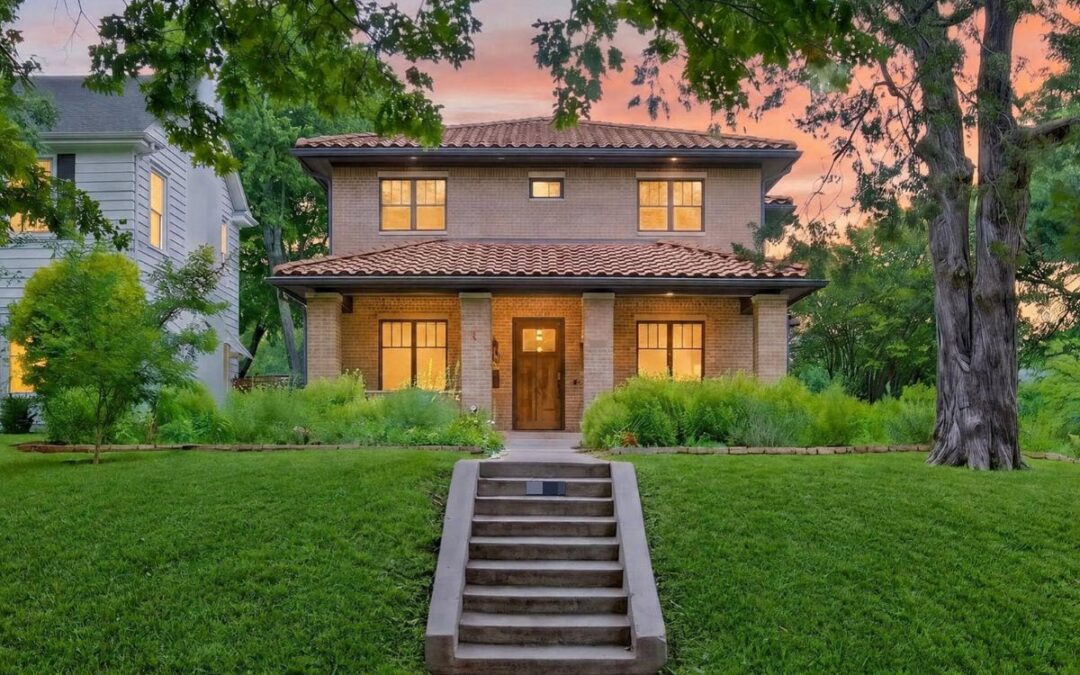
First impressions in rental real estate happen online. Before a prospective tenant ever schedules a showing, they have already scrolled through dozens of listings, clicking away from anything that looks dark, cluttered, or poorly composed. For landlords, that split-second judgment directly affects how long a property sits vacant, and professional photography is one of the easiest ways to earn the click.
Why Listing Photos Help Rentals Lease Faster
The rental market is visual. Platforms like Zillow, Apartments.com, and Trulia show listings in a grid, so the lead photo competes with dozens of others at once. A low-quality image taken on a phone under flat lighting can make a property look neglected, even when it's well-maintained. Professional photography signals that the landlord takes the property seriously, which also suggests they'll take maintenance requests and tenant communication seriously.
Properties with professional photography tend to attract more inquiries in the first days after listing, and those first days matter most. High early traffic increases the likelihood of multiple applications, which lets landlords screen more thoroughly and select tenants with stronger rental histories and financial profiles. Fewer days on market also means lower vacancy costs, which add up quickly once you count lost rent, utilities, and carrying expenses.
The National Association of Realtors' research consistently finds that photos are among the most useful features of an online listing for home buyers. Renters browse the same way, often on the same platforms, so the same principle applies when a rental unit is competing for attention.
What Professional Photography Actually Captures
Professional rental photography involves far more than using a better camera. Lighting, composition, timing, and preparation all contribute to images that make a space feel larger, brighter, and more livable.
Lighting is the most critical variable. Natural light alone is rarely sufficient, particularly in rooms with limited window exposure. Professional photographers balance ambient light with supplemental flash or continuous lighting to eliminate harsh shadows and blown-out windows, producing images where both the interior and the outdoor view remain visible. Timing matters outside too. In Dallas–Fort Worth, harsh midday sun washes out exteriors for much of the year, so exterior shots usually look best in the morning or late afternoon, and twilight exteriors can make a listing stand out in a crowded search.
Composition determines how a room reads spatially. When used correctly, wide-angle lenses expand a room's perceived scale. Choose shooting angles that expand a room's perceived scale without introducing the kind of distortion that makes spaces look unnaturally large or oddly proportioned. Shooting angles are chosen to lead the viewer's eye through the space naturally, showing how rooms connect and how much usable space there is.
Staging doesn't have to be elaborate. In an occupied or furnished unit, fresh towels in the bathroom or a simply set dining table make the images feel more lived-in. In a vacant unit, virtual staging can show renters how a room fits a bed or a sectional without the cost of renting furniture. Just label virtually staged photos as such in the listing.
Key elements that should appear in every professional rental shoot:
- Entry and curb appeal exterior shots
- Full kitchen coverage, including appliance areas and counter space
- All bedrooms with natural light emphasized
- Bathrooms staged with clean linens
- Living and dining areas showing functional layout
- Outdoor spaces, balconies, or shared amenities
- Parking, storage, and laundry areas where applicable
For larger lots or communities with shared amenities, aerial drone photos show the property's setting and nearby features in a way ground-level shots can't.

Virtual Tours, Floor Plans, and Video
Photography alone is now expected, but video and virtual tour content can set a listing apart in competitive rental markets. A well-produced walkthrough video gives prospective tenants a sense of how the space flows that static images can't. For people relocating from out of state, a virtual tour may prompt an application before an in-person showing.
Interactive 3D virtual tours, like Zillow 3D Home Tours, let prospects move through a property on their own, reducing exploratory showings and ensuring that people who request an in-person visit are already serious about the unit. A floor plan adds what photos can't: a clear sense of room sizes and layout, helping renters decide whether their furniture will fit before they ever visit.
How Photography Fits into a Broader Rental Marketing Strategy
Professional photography does a lot of the work. Still, it works alongside other elements of a strong rental marketing approach—competitive pricing, accurate descriptions, and broad listing distribution matter just as much. A beautifully photographed listing priced well above market will still underperform. And a well-priced unit with poor photography will attract fewer inquiries than it deserves.
Distribution matters too. Listings should appear on major national platforms and local syndication networks to reach as many renters as possible. When writing the listing description, review HUD's fair housing guidance so the copy doesn't include language that could discourage protected groups from applying, like describing an "ideal tenant."
This is where professional property management helps. Coordinating photography scheduling, writing compliant listing copy, syndicating to the right platforms, managing inbound inquiries, and running tenant screening all require time and systems that individual landlords often lack. Companies like Concept 360 Property Management treat listing presentation as part of a full leasing workflow, pairing strong photography with distribution and a structured screening process.
Practical Steps Landlords Should Take Before the Shoot
Preparation is the landlord's part of the job, and it makes a big difference in the final images—deep clean every room, including inside appliances if they're included with the unit. Remove personal items, extra furniture, and clutter. Replace burned-out bulbs and make sure all fixtures use the same color temperature, since mixed warm and cool bulbs show up clearly in photos. Open blinds and curtains, touch up wall scuffs, clean and dry the floors, and tidy the outdoor spaces so they look maintained.
A few hours of prep before the photographer arrives is often the difference between photos that are fine and photos that get the unit leased.
The Cost of Skipping Professional Photography
Some landlords view professional photography as an optional expense rather than a standard part of leasing a unit. The math usually says otherwise. Divide your monthly rent by 30 to get your daily vacancy cost, and a few extra days on the market often cost more than a professional photography package. Some property managers also publish a vacancy loss calculator where you can plug in your own rent and carrying costs, which makes the comparison even clearer.
Viewed that way, professional photos are less a marketing expense and more a way to reduce vacancy. Better photos bring in more applicants, support the asking rent, and get the unit filled sooner.