
Vacant vs. Occupied Rental Property Photography: How to Get Better Listing Photos
Strong listing photos drive more inquiries. For rental properties, getting those photos right depends heavily on one factor most landlords overlook: whether the unit is vacant or occupied during the shoot. Each comes with its own challenges, and what works for an empty apartment won't work for a home full of a tenant's things.
Photographing Vacant Rental Properties
An empty unit might seem like the easiest property to photograph—no clutter, no tenants to coordinate with, no personal belongings in the frame. In practice, vacant spaces bring their own technical challenges that can make listing photos look flat, cold, or uninviting if you don't handle them correctly.
Lighting is the first hurdle. Without furniture, rugs, or window treatments, light bounces unpredictably off bare walls and floors. Rooms can appear washed out or harshly shadowed depending on the time of day. A professional photographer will use off-camera flash, diffusers, and bracketed exposures to control the light and deliver images that feel warm and livable rather than clinical.
Empty rooms distort proportions. A living room that comfortably fits a sectional and a coffee table can look cavernous or oddly shaped when stripped bare. Wide-angle lenses help, but use them carefully. Shoot too wide, and the room looks distorted. Without any anchor points, renters struggle to judge scale. This is where virtual staging becomes a practical tool.
Virtual Staging
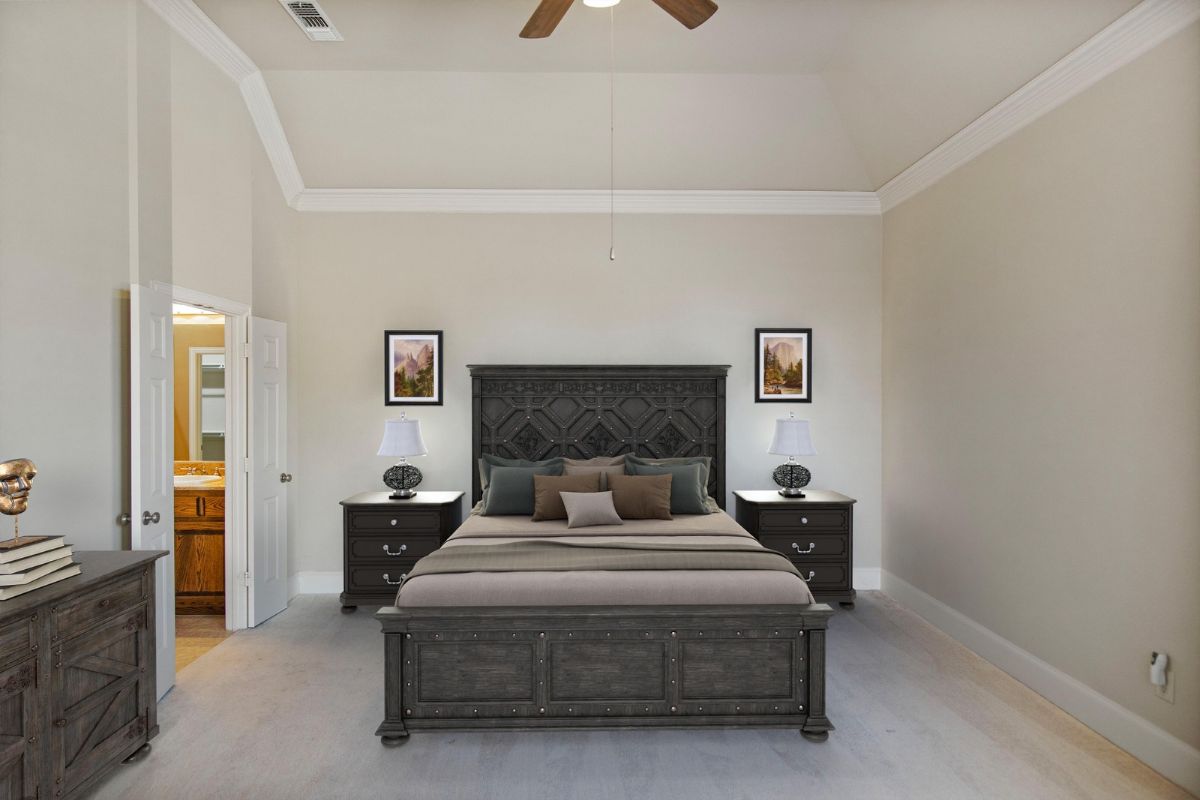
Virtual staging lets photographers and editors digitally place furniture, art, and decor in empty rooms after the shoot. In the National Association of Realtors' Profile of Home Staging, most buyers' agents say staging makes it easier for buyers to picture a property as their future home, and many sellers' agents report it shortens time on the market. For vacant rentals that will be listed and re-listed over time, virtual staging is a cost-effective option that avoids the expense of physical furniture rental. Just label virtually staged photos clearly in the listing. Many MLSs and listing sites require it, and a renter who shows up expecting furniture that isn't there won't trust the rest of the listing either.
For landlords who do opt for physical staging, even minimal effort pays off. A few key pieces in the main living area, the primary bedroom, and the kitchen can shift the perception of an entire property. Staging does not need to fill every room; it just needs to show how the space can be used.
Before the photographer arrives at a vacant unit, do a thorough walkthrough and take care of:
- Scuff marks on walls that will show up clearly in photos
- Window cleanliness, since reflections and smudges are obvious in wide shots
- Any leftover fixtures, hardware, or debris from the previous tenant
Photographing Occupied Rental Properties
Occupied rentals come with a different set of challenges. The property is furnished and lived-in, which solves the scale and warmth issues of vacant units. But coordinating a shoot around a tenant's schedule, privacy, and personal belongings takes planning and clear communication.
Decluttering matters more than anything else in occupied rental photography. Personal items, family photos, medications, mail, and everyday household clutter make photos look messy and distract from the property's features. Give tenants a specific checklist of what to remove or put away before the photographer arrives. Since listing photos are public, that checklist should also cover valuables, anything with a name or address on it, and alarm panels or security cameras. Clear counters, open floors, and organized surfaces go a long way toward making the final images look professional.
Property management companies that handle frequent turnovers usually have set systems for this. For example, CMC Realty & Property Management uses pre-photography checklists and a standard tenant communication process, which reduces last-minute delays and keeps listing photos consistent across its portfolio.
Privacy is a legitimate concern in occupied rentals. Tenants have a right to know when photographers will be present, what areas will be photographed, and how images will be used. Most states require advance notice before entering an occupied unit for non-emergency purposes, and the required notice period varies, so check your state's rules and the lease. For federally assisted properties, HUD also publishes a guide to resident rights and responsibilities that property managers should know before scheduling any vendor access. Getting written acknowledgment from tenants before a photography session is a simple step that protects everyone involved.
Schedule the shoot strategically. A weekday shoot usually means fewer people at home, and the photographer can tell you which time of day gives the best light based on which way the windows face. Ask tenants to keep pets secured or off-premises during the session. Confirm the appointment 24 to 48 hours in advance to avoid no-shows or last-minute rescheduling that can push the listing date back by days.
Coordinating Photography During Tenant Turnovers
The turnover window between one tenant moving out and the next moving in is the ideal time to photograph a rental property. The unit is empty, freshly cleaned, and recently repaired, so it's at its best. The problem is that this window is often short, and people often treat photography as an afterthought.
The timing gets even tighter in seasonal markets. For property managers along the Jersey Shore and in other areas where units switch between year-round leases and summer rentals, a unit might sit empty for only a few days between occupants. Hence, the photographer needs to be booked before move-out day, not after.
A well-coordinated turnover timeline looks like this:
- Move-out inspection completed and documented
- Cleaning crew scheduled and finished within 24 to 48 hours of move-out
- Repairs and touch-up painting completed
- Professional photography scheduled immediately after repairs are done
- Listing published before or as soon as the unit is ready for showings
When photography is built into the turnover checklist rather than added at the end, landlords avoid the costly gap where a unit sits vacant but unlisted simply because no one scheduled the shoot. Harvard's Joint Center for Housing Studies reported in America's Rental Housing 2024 that rental vacancy rates were rising as a wave of new apartments came onto the market. When renters have more options, a unit that goes live a few days late can lose a good applicant to the place down the street, and those lost days add up over the course of a year.
Good communication among property managers, tenants, and photographers makes this work. When tenants know the move-out date is firm and that a photographer will be on-site shortly after, they are more likely to leave the property in better condition. When photographers know the property type, square footage, and any features worth highlighting ahead of time, they arrive prepared to work efficiently.
The Bottom Line
Vacant or occupied, the photos are only as good as the prep that goes into them, and the easiest way to make sure that prep happens is to treat photography as part of the turnover schedule instead of the last thing on the list. Better photos lead to faster leases, and faster leases mean lower vacancy loss, which is why professional real estate photography pays for itself quickly for most landlords and property managers.