

Beyond Listing Photos: Which Visual Assets Actually Matter When Marketing a Rental Property?
Most rental listings look the same. A handful of bright-but-generic photos, a square footage number, and a list of amenities that reads like every other listing on the block. For property managers handling a competitive market, that approach leaves money on the table and vacancies on the calendar.
The real question is not whether to invest in visual marketing. It is which visual assets actually move the needle for your specific property, price point, and prospective tenant pool. Here is a practical framework for making that call.
Professional Photography Is Still the Foundation
Let's set aside the obvious and get specific. Professional photography is not valuable because it "makes a good first impression." It is valuable because it is the single format every major listing platform prioritizes in its algorithm and every prospective tenant views first. According to the National Association of Realtors, listings with professional photography receive significantly more online views than those with amateur images.
For rental properties, it doesn't take a high rent to justify professional real estate photography. If the unit rents for more than $1,000 per month, the cost pays for itself within days of reducing vacancy. The format becomes even more critical in high-density urban markets where a prospective tenant may be browsing 20 listings in a single session and eliminating options in under five seconds per listing.
Where professional photography alone falls short is in communicating spatial layout, property scale, and location context. That is where the rest of this conversation matters.
When Floor Plans Are Worth the Investment
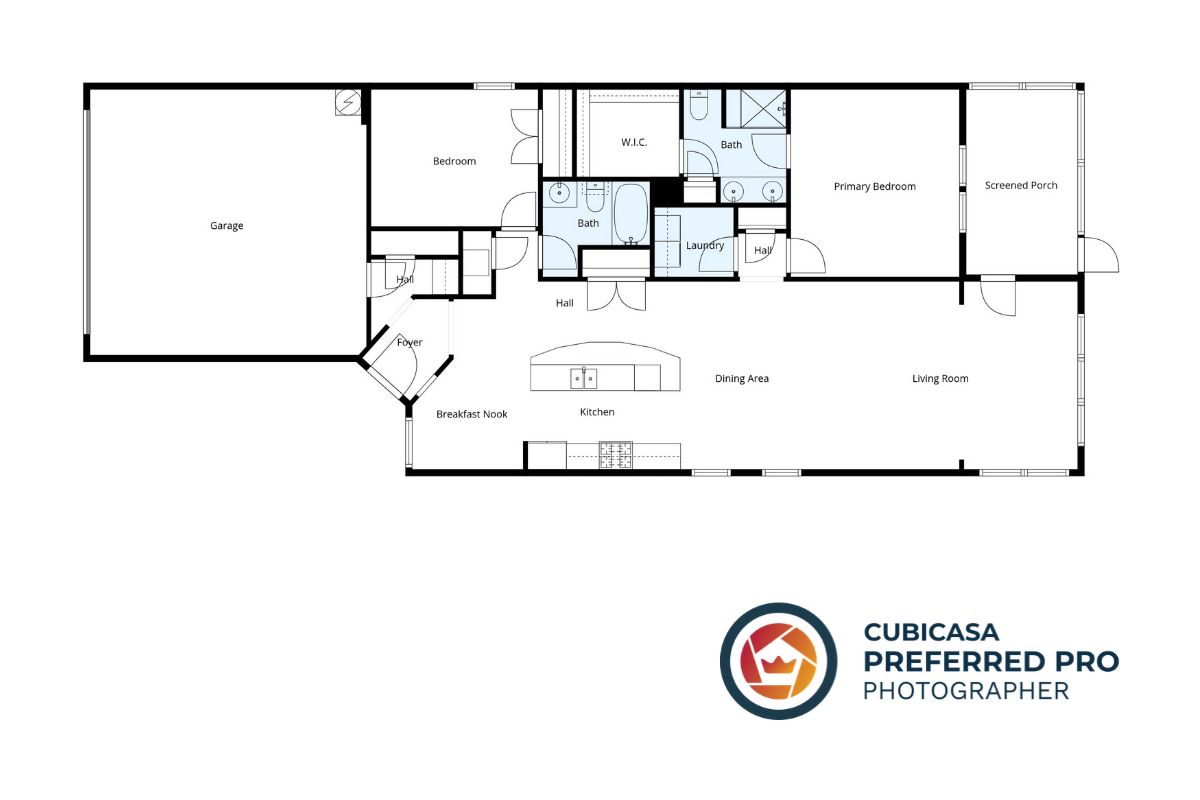
A 2D floor plan is one of the most underused assets in rental marketing. Prospective tenants, particularly those moving from out of the area, cannot always tell from photos whether a bedroom will fit a king bed, whether the kitchen opens to a living space, or how the unit actually flows.
Floor plans address that ambiguity directly. For multi-bedroom units, properties with unusual layouts, or any rental where square footage is a primary selling point, a 2D floor plan reduces the number of showings from unqualified prospects and increases conversion from serious ones.
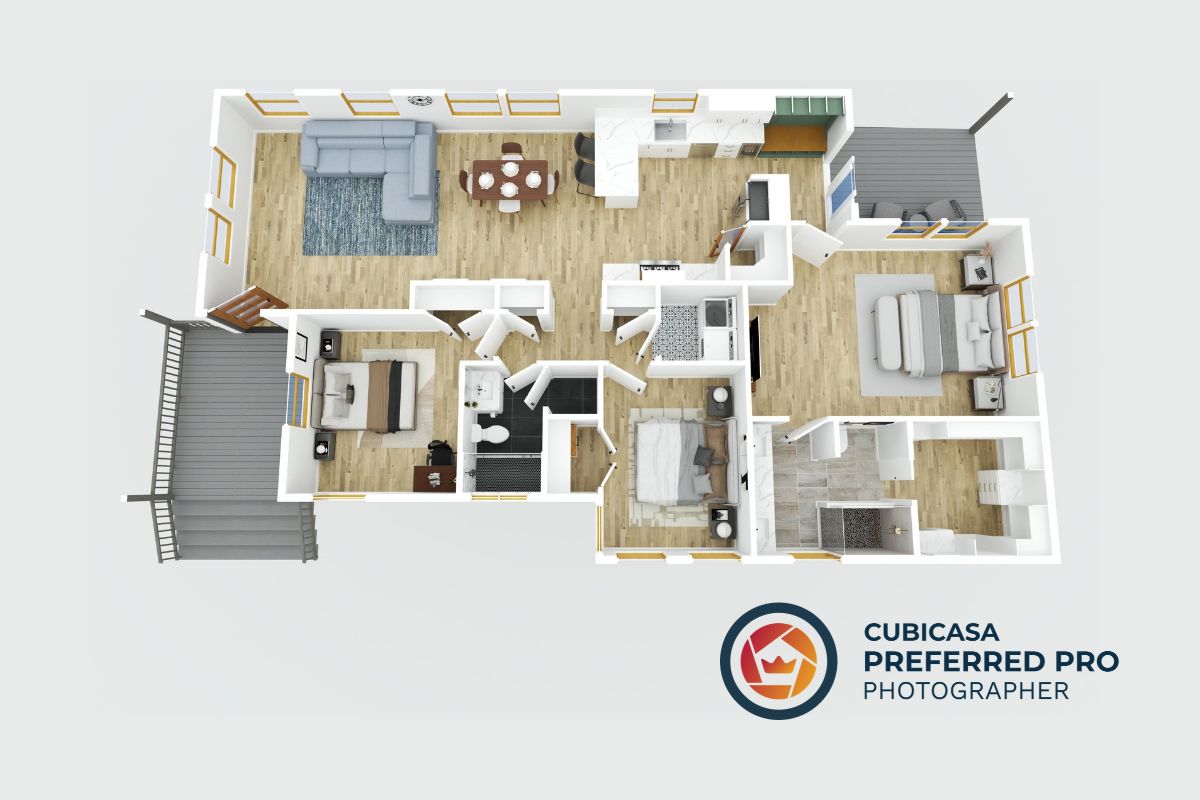
3D floor plans offer the same spatial clarity with better visual appeal and are worth considering for higher-end or furnished units where the layout itself is a feature. For standard one-bedroom apartments in a $1,200 to $1,500 per month range, a 2D floor plan is typically sufficient and more cost-efficient.
Virtual Walkthroughs and the Out-of-Area Renter
Here is where location and renter demographics change the calculus significantly. If a meaningful portion of your prospective tenants are relocating from out of state or internationally, a virtual walkthrough is not a luxury. It is a leasing tool.
Platforms like Matterport allow a prospective tenant to navigate a 3D model of a unit at their own pace, from across the country. For property managers in growing metro markets or near major university and employer hubs, this format directly converts relocating prospects who cannot physically tour before committing. According to Zillow Research, listings with interactive content see higher engagement rates and longer time-on-page, which correlates with stronger lead quality.
For a standard in-market rental in a secondary city, a virtual walkthrough is harder to justify. The production cost is higher, and most local prospects will opt for an in-person tour regardless.

Drone Imagery: Property Type and Location Dependency
Drone photography earns its cost in specific scenarios. For single-family rental homes with significant lot size, backyard features, or proximity to parks and amenities, aerial imagery communicates value that ground-level photography cannot capture. The same applies to multi-unit properties where the building exterior, parking layout, or surrounding neighborhood is part of the pitch.
For urban apartments above the third floor, townhomes with minimal outdoor space, or any property where the surrounding area is visually unremarkable, drone imagery rarely justifies the added expense. The standard for drone use should be simple: does the aerial view show something that improves the property's appeal? If not, skip it. You can review drone photography pricing to evaluate whether the investment fits your property type before committing.
Video Tours vs. Virtual Walkthroughs: Choosing the Right Format
These two formats serve different purposes. A video tour is a curated, narrative experience that builds emotional connection. A virtual walkthrough is a self-guided, data-rich experience that answers practical questions.
For high-end rentals in the $3,000 and above range, lifestyle-oriented video that showcases finishes, natural light, and community amenities can meaningfully differentiate the listing. For mid-market properties, a virtual walkthrough typically delivers more leasing value per dollar because it serves the prospect who is actively comparing options rather than passively browsing.
Property managers overseeing large portfolios often benefit from a tiered approach: professional photography across all listings, virtual walkthroughs for relocation-heavy markets or premium units, and video reserved for flagship properties or new developments where brand storytelling matters.
Virtual Staging and When It Replaces Physical Staging
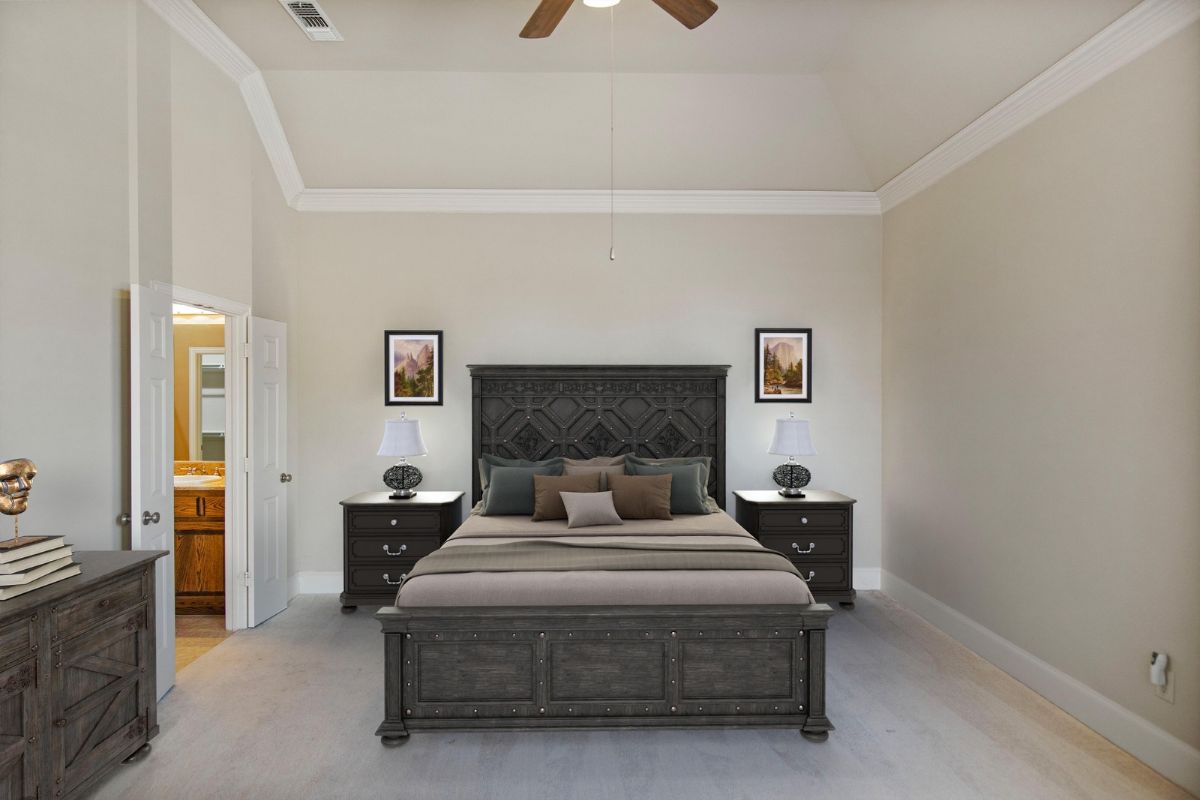
Vacant units photograph poorly. Empty rooms read as smaller, colder, and harder for prospects to visualize. Virtual staging solves that problem at a fraction of the cost of physical staging.
For furnished and unfurnished units at middle-tier price points, virtual staging of key rooms, primarily the living area and primary bedroom, produces measurable improvements in listing engagement. Companies like WeLease Property Management decide staging priorities unit by unit, a nicely finished kitchen gets the staging budget, a plain hallway doesn't, rather than treating every room the same way.
Physical staging remains the stronger choice for high-end showings where an in-person experience is the primary decision point. For digital-first leasing workflows, virtual staging is the more practical and scalable option.
Building a Consistent Visual Strategy Across a Portfolio
For property managers handling multiple properties across a metro area, the efficiency argument for a defined visual media strategy is significant. Establishing clear production tiers based on rental price point, property type, and renter profile means faster turnaround, predictable costs, and consistent listing quality across the portfolio. Reviewing real estate media packages pricing can help property managers identify which tier aligns with each property's needs before production begins.
The Urban Land Institute has consistently noted that rental market competitiveness is intensifying in major metros, making differentiated presentation an operational advantage, not just an aesthetic preference. A property manager who markets every listing the same way is leaving efficiency and revenue on the table.
The goal is not to maximize the number of visual assets on every listing. It is to identify which assets serve each property's specific renter and match that investment accordingly. Property managers looking to apply this framework to their own listings can Schedule an AccuConsultation℠ to map the right media mix to their portfolio. That is what separates a scalable marketing operation from a one-size-fits-all approach that costs more and delivers less.